
From Rebels to Runways: The Timeless Power of Plaid

Plaid. Check. Tartan. No matter what you call it, this iconic pattern has stood the test of time. Not just as a style statement, but as a powerful symbol of identity, rebellion, and sophistication. But how did a humble criss-cross pattern become a staple in our wardrobes, especially in tailored blazers and formalwear? Let’s unravel the threads of history and style to understand why plaid still commands attention today.
A Pattern With Roots
Plaid traces its origins back centuries, with tartan first appearing in Scotland as early as the third century. Archaeological discoveries have revealed woollen fragments with check-like patterns dating back nearly 3,000 years, showing that humans have long been drawn to this organised yet dynamic motif.
In Scotland, tartan became deeply embedded in cultural identity. Each clan had its own distinct pattern and colours, woven into wool and worn as kilts or cloaks. These checks weren’t just decorative; they were a proud marker of family, geography, and heritage. Wearing one’s tartan was a visible assertion of belonging and pride.
However, in the 18th century, tartan's role evolved. Following the Jacobite uprisings, the British government banned Highland dress through the Dress Act of 1746, an attempt to quash Scottish rebellion and cultural identity. Tartan was outlawed for nearly four decades, making it not just a fashion statement but a symbol of resistance. When the ban was lifted in 1782, tartan made a triumphant return, fuelled by romanticism and national pride.
From Counterculture to Couture
Over the centuries, plaid has undergone a remarkable evolution. What began as a traditional, regional identifier eventually became a global fashion staple. In the 19th century, tartan gained popularity beyond Scotland when Queen Victoria and Prince Albert embraced it during visits to Balmoral Castle. They commissioned custom tartans and dressed the royal household in the pattern, lending it an air of aristocratic elegance.
Fast forward to the 20th century, and plaid had taken on entirely new meanings. In the 1970s and 1990s, it became a key emblem of counterculture. The punk movement, led by designers like Vivienne Westwood, subverted traditional tartan by pairing it with ripped fabrics, chains, and anarchic energy. The message was clear, plaid could be both heritage and rebellion.
Then came grunge. In the 1990s, bands like Nirvana and Pearl Jam popularised plaid flannel shirts as a statement of loose, rugged, and anti-establishment. It was a look born from thrift stores and suburban basements, yet it infiltrated runways and redefined casual wear.
Why Plaid Belongs in Blazers
So how did plaid find its way into blazers and formalwear, a space often defined by minimalism and uniformity? The answer lies in plaid’s remarkable ability to balance structure with personality. In a blazer, the linear repetition of checks reinforces the jacket’s tailored precision while injecting visual interest. It creates a refined complexity, drawing the eye without being overwhelming.
Plaid blazers became especially popular in British menswear during the early 20th century. The Prince of Wales check was the pattern originally worn by Edward VII and later popularised by his grandson Edward VIII, featuring blended subtle greys with fine lines of colour. It became synonymous with smart, sartorial sophistication.
Plaid has long been associated with masculinity, from Scottish warriors to suited-up CEOs. It has been historically linked with strength, authority, and tradition, making it a staple in uniforms, formal menswear, and ceremonial attire. But women have continually redefined what it means to wear it, transforming plaid from a symbol of male power into one of female self-expression and empowerment.
As women entered the workforce in greater numbers during the mid-20th century, tailoring evolved to meet their needs. Blazers emerged as a key piece of power dressing, offering structure, confidence, and a sense of authority. Adding plaid into the mix allowed women to embody both classic elegance and bold individuality. In the 1980s, trailblazing female professionals adopted plaid blazers as part of their power suits, reclaiming space in male-dominated industries. These women used fashion as both armour and message. Plaid became a visual metaphor for stepping up, speaking out, and challenging the norms of who gets to lead.
Since then, plaid has evolved with each generation of women. In creative fields, it has been worn with an edge, styled with bold accessories and unexpected pairings. In education and politics, it conveys intelligence and approachability with classic charm. On runways and in boardrooms alike, plaid continues to reflect the growing narrative that femininity and authority are not mutually exclusive.
Today, the plaid blazer is a wardrobe essential. It’s versatile, stylish, and endlessly expressive. Whether paired with jeans, trousers, or a pencil skirt, it bridges the gap between timeless tradition and modern edge.
The Symbolism Behind the Checks
What makes plaid so enduring? Beyond its visual appeal, the pattern carries layered symbolism. Internally, it offers a sense of grounding. The intersecting lines suggest order, direction, and unity, all ideal qualities for someone navigating high-stakes meetings or stepping into leadership. Externally, plaid projects confidence, helping the wearer to make a bold statement.
Philosophically, wearing plaid connects us to generations before us who used this fabric not just for fashion, but for storytelling. Whether a nod to your heritage or a deliberate style choice, the pattern brings meaning and depth to everyday wear.
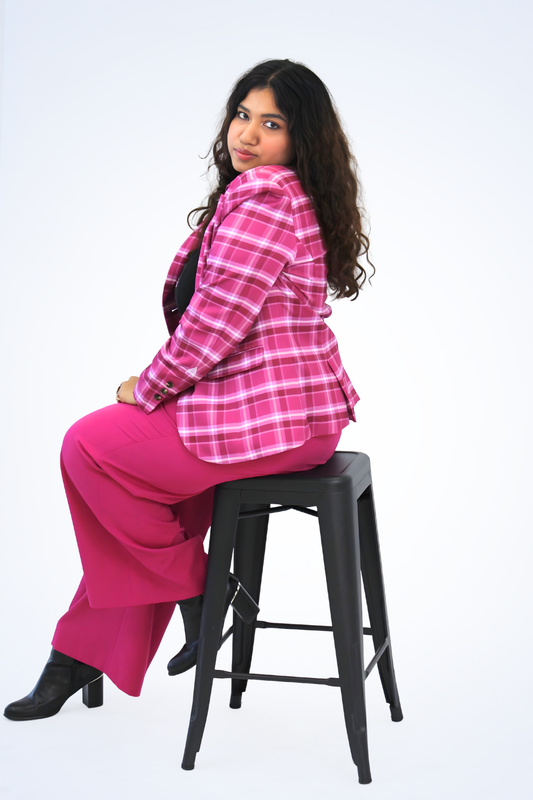
Now plaid belongs to everyone and at Peak Women, we’re proud to reinterpret it through a modern, feminine lens. Our new Bridget Blazer design takes the legacy of plaid and infuses it with new meaning, unapologetically bold, unmistakably stylish, and deeply empowering, because style should be as multi-dimensional as the women who wear it.
The New Classic: Hot Pink Check
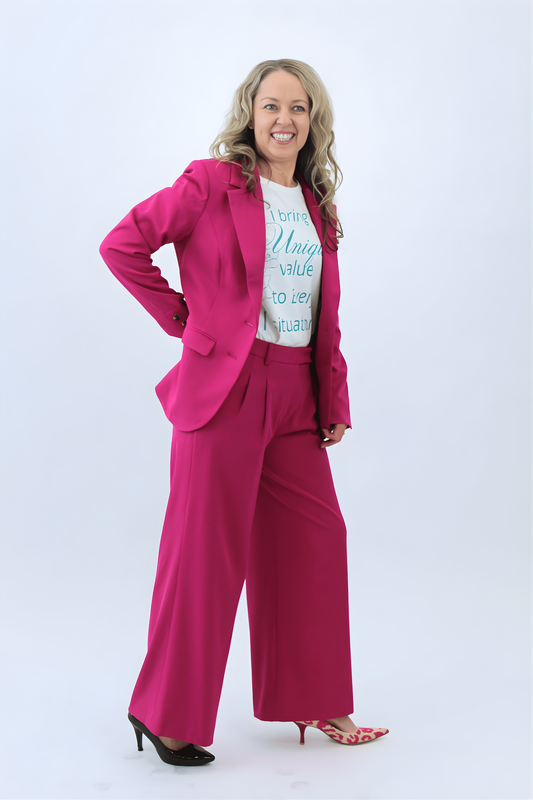
At Peak Women, we’ve reimagined this timeless motif in our own way. Our latest Bridget Blazer is in a hot pink check and can be defined as where classic tailoring meets unapologetic flair. Designed for women who want to walk into a room and be remembered not just for their style, but for the confidence they carry.
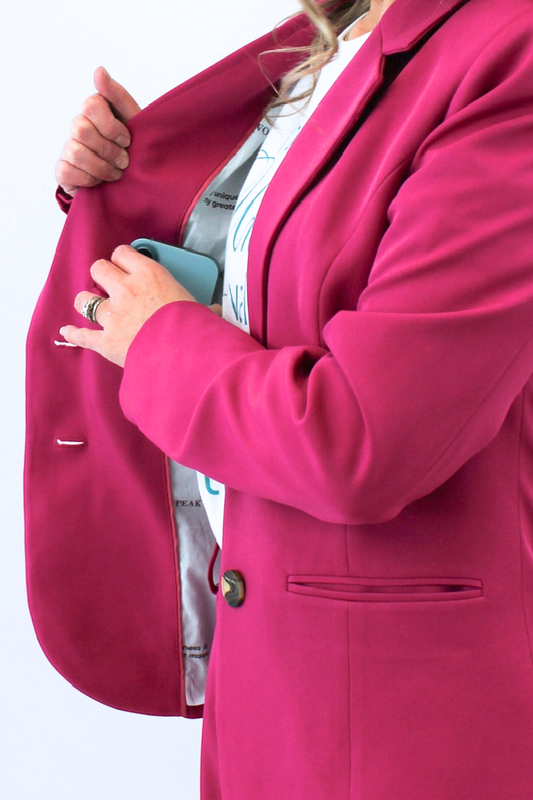
This isn’t your grandfather’s tartan. It’s bold, feminine, and made to move with you from boardroom battles to celebratory drinks. The vibrant hot pink tones inject playfulness into professional wear, without compromising on polish. Crafted from high-quality polyester, this blazer is made to last both physically and stylistically. The tailored fit, subtle shoulder structure, and soft stretch make it a piece you’ll reach for again and again.
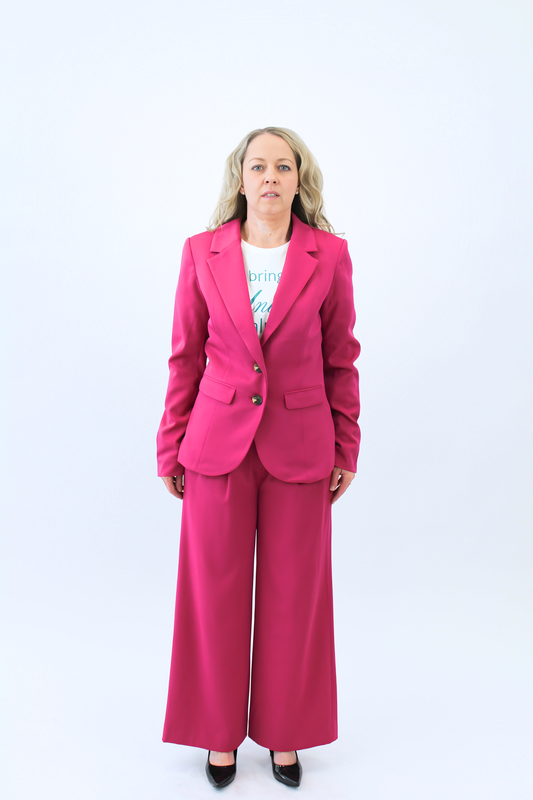
Whether you're layering it over a crisp white shirt for meetings or styling it with denim on the weekend, the Bridget blazer is a sartorial power move. It reflects everything we stand for at Peak Women: confidence, creativity, and the courage to stand out.
Ready to make your statement?
Explore the new Bridget blazer at Peak Women. Because tradition should never mean playing small.