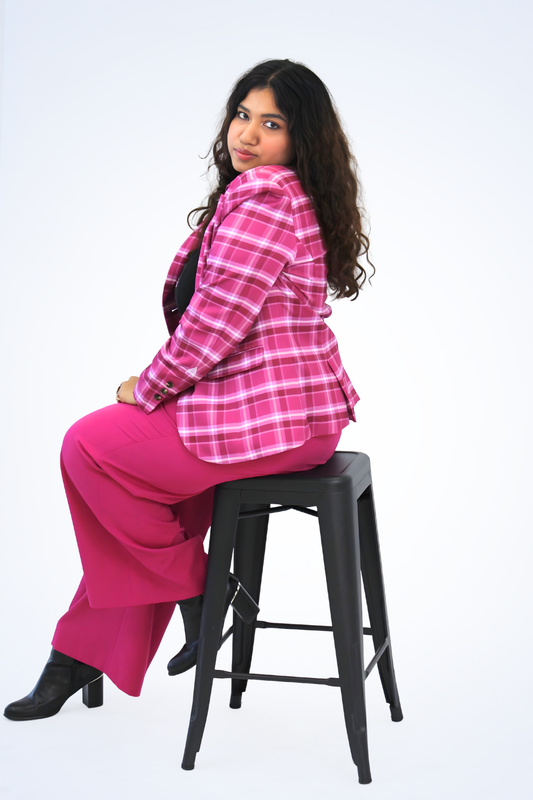

Beyond the Blazer: Why Ethical Fashion Is About More Than Fabric

Walking into a room and feeling like you belong is rarely just about what you know. For many professional women, it begins long before the meeting starts or the interview panel sits down. It starts in the wardrobe.
The pressure to look composed, capable, and professional in corporate environments is a quiet reality. When you step into a space where you are already fighting to have your voice heard, your external presentation becomes an immediate armour. But building that armour requires resources. Quality tailoring, structured blazers, and environmentally friendly fabrics come with a price tag that creates a genuine barrier for women re-entering the workforce, transitioning out of crisis, or navigating economic hardship.
At Peak Women, we believe that true female empowerment cannot exist in a vacuum. It is not enough to design garments that build confidence for some while ignoring the structural inequalities that keep other women from reaching the starting line. Ethical fashion must extend beyond environmental metrics. It has to encompass social equity, access, and real community support.
Professional clothing often intersects with economic mobility, but what does it actually take to bridge the gap between capability and opportunity?
The Invisible Barrier: Presentation and Financial Independence
When a woman prepares to re-enter the workforce, whether after extended caregiving, a career break, or major life upheaval, the obstacles are rarely limited to updating a résumé. The internal struggle with self-doubt is often compounded by the external demand to "look the part."
Unconscious bias in hiring and professional environments is well documented. First impressions are formed in seconds, and traditional dress codes often place a disproportionate burden on women. When clothing options are limited by budget constraints, the resulting anxiety can erode a candidate’s confidence before she even answers the first question.
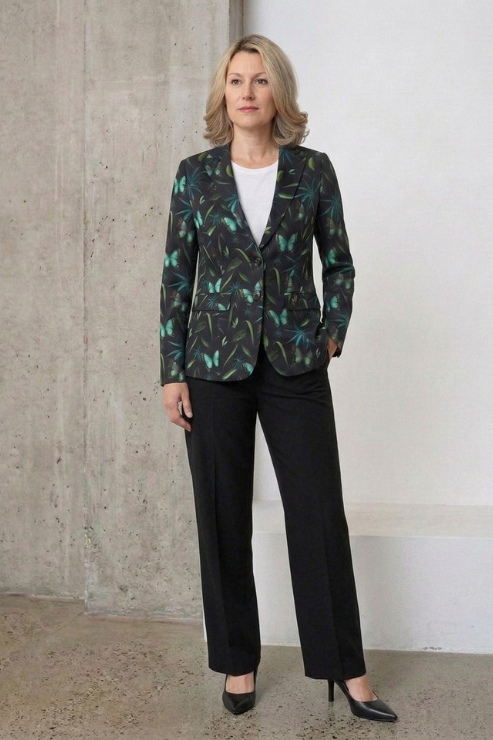
Access to appropriate workwear is not a luxury. It is a functional requirement for economic independence. A well-fitted suit or a sharp blazer is a tool that allows a woman's skills, intelligence, and ambition to take centre stage. When we remove the friction of worrying about appearance, we create space for true capability to shine.
Rethinking Brand Responsibility: From Surplus to Service
As a brand dedicated to equipping women for the professional sphere, we have a clear responsibility. Manufacturing clothing inherently carries an obligation to manage stock thoughtfully and direct resources where they can do the most good.
Charity should never be an afterthought or a marketing exercise. For us, supporting non-profit organisations (NFPs) that focus on female empowerment is a fundamental part of our operational model.
We partner directly with NFPs that provide tailored clothing and functional capsule wardrobes to women facing adversity. Rather than allowing excess stock or sample garments to sit in a warehouse, we redirect our old stock directly into the hands of women preparing for job interviews and workplace transitions. A feminine, high-quality garment should not have a limited lifespan on a rack when it can serve as the foundation of someone’s professional fresh start.
Alongside garment contributions, we back these initiatives with direct cash donations to help partner NFPs maintain their daily operations, cover logistics, and reach more communities. Sustained financial support ensures these vital organisations can focus on their core mission without constantly fighting for basic resources.
Beyond the Clothes: Building Internal Confidence
Garments provide the outer layer, but confidence requires internal reinforcement. Giving someone a suit is only part of the equation. Knowing how to wear it, how to style it for maximum versatility, and how to feel comfortable inside it is where transformation happens.
This is why our team facilitates free styling and professional dressing workshops for women supported by our NFP partners. These sessions are designed to unpack the unspoken rules of professional attire and replace intimidation with practical knowledge.
During these interactive workshops, we break down how to build a professional wardrobe that empowers the wearer. We focus on:
- Enclothed Cognition: The psychological phenomenon where the clothing you wear directly impacts your internal mental state, focus, and abstract reasoning.
- Shift Unconscious Bias: Rather than being sidelined by workplace biases, we explore how to curate a professional wardrobe to stand out for all the right reasons.
- Personal Presence: Dressing in a way that aligns with your personal identity, ensuring your clothes support your confidence rather than hiding it.
Clothing should serve as a support system, not a source of stress. When a woman learns how to curate a professional wardrobe that feels authentic to her, the focus shifts from worrying about her clothes to owning her expertise.
Expanding the Definition of Ethical Fashion
The conversation around ethical fashion often centres strictly on supply chains, organic fabrics, and manufacturing footprints. While these elements are critical, an ethical approach that ignores the social reality of women in our local communities is incomplete.
Ethical fashion must mean standing up for the economic elevation of all women. It means asking hard questions about access and taking practical accountability for the impact a brand can make beyond sales metrics.
When you choose to invest in ethically produced clothing, you are choosing to participate in a fairer system. Supporting small businesses and designers who explicitly reject rapid, throwaway fashion helps slow down the cycle of overproduction. It also allows independent brands to dedicate meaningful time, stock, and funding toward grassroots initiatives that uplift women directly.
How You Can Support Female Independence
Systemic change relies on collective action. Supporting women as they navigate their career paths requires a network of encouragement, mentorship, and practical resources. Here are concrete ways you can contribute to removing clothing barriers for women in your community:
- Audit Your Wardrobe for Impact: Gather gently worn, high-quality professional clothing, tailored jackets, structured dresses, and work-appropriate footwear that you no longer wear. Donate them directly to local NFPs that build interview attire programs for women. Ensure items are clean, modern, and ready for an interview.
- Sponsor a Capsule Wardrobe: Many community organisations accept targeted financial donations specifically earmarked to purchase essential undergarments, footwear, or sizing gaps for women entering the workforce.
- Offer Skills and Mentorship: Look into local community or NFP programs that accept volunteers for interview coaching, résumé building, or professional mentoring. Sharing your workplace knowledge can help bridge the confidence gap for someone starting out.
- Shop Mindfully: Pay attention to what clothing brands stand for. Prioritise businesses that align with your values, reject fast fashion practices, and actively invest back into female empowerment programs.
Moving Forward Together
Financial independence changes lives, families, and communities. When a woman gains employment, the ripple effect is immediate and far-reaching.
Professional clothing and practical skills are simple tools, but when placed in the right hands at the right time, they become catalysts for lasting change. By combining targeted stock donations, direct financial backing, and hands-on dressing workshops, we remain committed to clearing the path for women to step into every room with authority and ease.
If you want to shop with a brand that does more with your support, check out our latest collection.